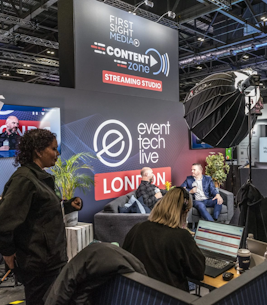
Modular does not mean every stand looks the same
The biggest long-term advantage of modular systems is reconfiguration. Frames, panels and accessories can be rearranged for different events, footprints and messages.
That principle became more sophisticated over later decades, with modular walls incorporating shelving, lighting, backlit graphics and integrated displays. But the core idea was established much earlier: a stand can be built from standard components without looking temporary or improvised.
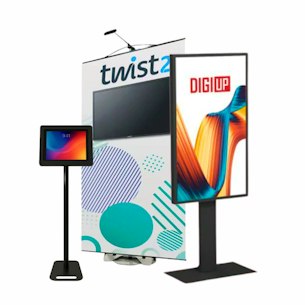
Modern modular exhibition systems still follow the same logic. Use repeatable hardware for the structure, then customise the visible surfaces with graphics, lighting, furniture and accessories.
The infrastructure stays reusable while the brand presentation changes.

 Trustpilot - Rated Excellent
 In-house Design & Print
 Express Production Options
 Instant Credit for Businesses
 Newsletter