Interactive and experiential exhibition stands

2010s: The Experience Era

A History of Trade Shows

By the 2010s, the best exhibition stands were no longer just places to display products. Touchscreens, tablets, social media, projection, live content and gamification turned stands into experiences visitors could actively take part in.

Visitors stop being spectators

The 2000s brought screens onto the exhibition stand. During the 2010s, those screens increasingly became interactive.

Touchscreens, tablets and mobile devices gave visitors something to do rather than simply something to watch. Product selectors, games, quizzes, configurators and digital catalogues could all sit inside the stand.

The change sounds small, but it alters the relationship between visitor and exhibit. A static display asks someone to look. An interactive display asks them to participate.

That participation became one of the defining features of exhibition design during the decade.

Technology becomes part of the visitor journey

2010: the tablet arrives on the show floor

Apple introduced the iPad in 2010. Within a year, EXHIBITOR was documenting companies using tablets directly in exhibition environments.

At EXHIBITOR2011, for example, Blue Telescope used six iPads as interactive controllers connected to a bank of LCD displays. Visitors answered questions on the tablets while content appeared on the larger screens around them.

This is a useful milestone because tablets removed much of the friction associated with earlier interactive installations. They were compact, familiar and relatively easy for visitors to understand without instruction.

A stand could now offer a digital interaction without installing a large permanent kiosk.

Read EXHIBITOR's early coverage of tablets on trade-show stands

The stand becomes shareable

Social media changes another part of exhibition design: the experience no longer needs to end at the edge of the stand.

A good interaction can generate photographs, videos, hashtags and posts that reach an audience far larger than the number of visitors physically present.

At the 2014 North American International Auto Show, Scion created social-media vending machines. Visitors photographed themselves, shared the images using social media and received branded merchandise in return. Their posts then appeared on screens across the exhibit.

The stand itself had become a content generator.

That creates a new design question for exhibitors: what will visitors want to share?

See EXHIBITOR's Scion Social-Media Machine case study

Gamification gives people a reason to stop

Games, competitions and personalised interactions became increasingly common because they solve one of the oldest problems in exhibiting: getting someone to stop walking.

Digital technology made those activities much easier to build. A touchscreen could host a quiz, reaction game, product challenge or prize mechanic without needing large amounts of physical equipment.

More importantly, the activity could support a commercial goal. A game might collect lead details, demonstrate product benefits, qualify visitors or encourage social sharing.

The strongest examples did not use technology simply because it looked modern. The interaction was designed around the message the exhibitor wanted people to remember.

Projection and LED turn the structure into content

Screens did not remain rectangular televisions mounted to walls. During the decade, exhibitors increasingly used large LED surfaces, projection and projection mapping to make the architecture itself move.

Content could wrap around structures, animate printed surfaces or transform a wall without rebuilding it physically.

EXHIBITOR case studies from the period show LED screens, projection, smart glass and digital surfaces being integrated directly into stand architecture. Siemens Healthineers, for example, used switchable smart glass and projection in 2016 to build suspense around the reveal of a confidential new product.

The screen was no longer an accessory attached to the stand.

The stand itself could become the screen.

See EXHIBITOR's Siemens case study

Experiential marketing becomes measurable

The 2010s also made it easier to connect a memorable experience to measurable commercial results.

Digital registration, badge scanning, tablets and social platforms could record participation and link it back to lead generation. That made it easier to ask whether an activation actually worked.

Audible's New York Comic Con exhibit in 2016 is a good example. EXHIBITOR reported that its gamified experience generated 8 million social-media impressions, increased booth visitors by 90% and produced a nearly 600% increase in audiobook downloads.

The numbers matter because they show why experiential marketing became attractive to exhibitors. A creative stand could be evaluated not only by how impressive it looked, but by how many people interacted, shared, registered or converted.

Read the Audible case study

Experience does not have to mean expensive technology

The decade also produced plenty of technology for technology's sake. A touchscreen that simply replaces a printed brochure is not automatically an experience.

The stronger exhibition designs use interaction because it improves the visitor's understanding, enjoyment or participation. Sometimes that involves sophisticated technology. Sometimes it is simply a live demonstration, workshop, competition or well-designed conversation space.

The important change is strategic: exhibitors increasingly think about what the visitor will do and feel, not only what the stand will look like.

That is what turns display design into experience design.

Why the 2010s matter to exhibition history

By the end of the decade, the modern experiential stand is firmly established:

  • Touchscreens let visitors explore for themselves.

  • Tablets make digital demonstrations portable.

  • Games and challenges encourage participation.

  • Social media extends the stand beyond the exhibition hall.

  • LED and projection turn architecture into moving content.

  • Digital systems make engagement easier to measure.

  • The visitor journey becomes as important as the physical structure.

The stand has evolved from a place to show products into a place to create experiences.

Then, in 2020, the physical exhibition hall suddenly disappears.

Sources & further reading

Historical note

'Experience era' is a descriptive label rather than a claim that experiential exhibition design began in 2010. Exhibitions had used demonstrations, entertainment and immersive architecture for more than a century. What changes during the 2010s is the availability of relatively affordable digital tools that make interactive, personalised and shareable experiences practical for a much wider range of exhibitors.

Image note

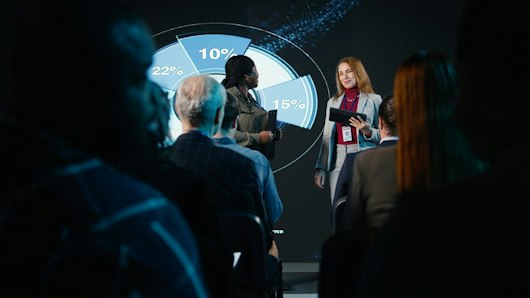
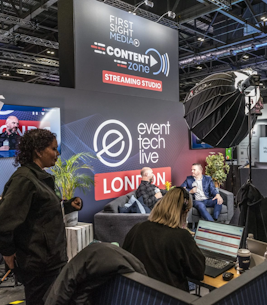
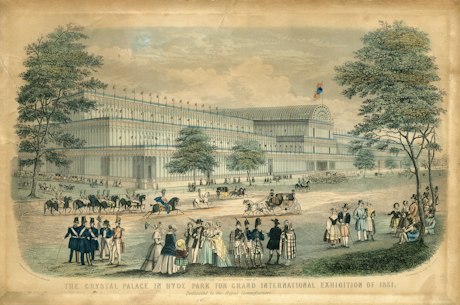
The images on this page are modern Display Wizard editorial/event assets already held in the CMS and are used illustratively. They are not presented as archive photographs from specific 2010s case studies; the external case-study links provide the historical evidence.

Explore More History