 Trustpilot - Rated Excellent
 In-house Design & Print
 Express Production Options
 Instant Credit for Businesses
  Newsletter
Influencer marketing is no longer limited to social media campaigns or digital product launches. It has become a powerful tool in live marketing environments, particularly at trade shows and exhibitions where attention is highly competitive and engagement is time-sensitive.
At its core, leveraging influencers at trade shows is about using trusted voices to amplify visibility, drive footfall, and increase engagement with your stand or event presence. Influencers bring credibility, personality, and reach; three elements that can significantly enhance how your brand is perceived on the show floor.
In an environment where dozens or even hundreds of exhibitors are competing for attention, standing out is a challenge. Influencers help bridge that gap by drawing audiences in, creating social proof in real time, and extending your reach far beyond the physical event space.
Here’s how using influencers can positively impact your brand, and the best way to build those connections.
What Does It Mean to Use Influencers at Trade Shows?
Using influencers at trade shows involves partnering with individuals who have an established audience and credibility within a specific niche. These influencers attend your event presence, interact with your products or services, and share their experiences with their followers.
This can take many forms, including:
Live coverage of your stand or exhibition space
Product demonstrations or walkthroughs
Interviews with your team or leadership
Behind-the-scenes content
Social media posts, stories, or livestreams
The goal is to extend your event presence beyond the physical attendees and into a wider digital audience.
Unlike traditional event marketing, influencer involvement introduces a human, relatable element that can make your brand feel more accessible and engaging.
Why Influencers Are Effective in Trade Show Marketing
Influencers are effective in trade show environments because they combine three powerful elements: trust, attention, and reach.
1. Trust and credibility
Audiences tend to trust influencers they follow more than traditional advertising. When an influencer endorses or showcases a brand at a trade show, it feels more authentic than a paid advertisement.
2. Increased visibility
Influencers bring their own audience to your event presence, both physically and digitally. This increases foot traffic and online engagement simultaneously.
3. Real-time engagement
Trade shows are fast-moving environments. Influencers can capture and share moments instantly, creating a sense of urgency and excitement around your brand.
4. Social proof
Seeing an influencer interact with your brand signals credibility. It suggests that your business is noteworthy enough to attract attention from respected voices in your industry.
Together, these factors help brands stand out in crowded exhibition environments.
Choosing the Right Influencers
Not all influencers are suitable for trade show marketing. The effectiveness of your campaign depends heavily on selecting the right individuals.
Relevance over reach
A large following is not always the most important factor. Relevance to your industry or target audience is far more valuable than general popularity.
Industry alignment
Influencers should have experience or authority in your sector. For example, a tech influencer attending a software exhibition will be more impactful than a general lifestyle influencer.
Engagement quality
High engagement rates often matter more than follower count. Audiences that actively interact with content are more likely to respond to trade show coverage.
Authenticity
Influencers should genuinely connect with your product or message. Forced partnerships can feel inauthentic and reduce credibility.
Selecting the right influencer ensures that your message reaches the right audience in a meaningful way.
How to Integrate Influencers into Your Trade Show Strategy



Successful influencer campaigns require planning before, during, and after the event.
Pre-event planning
Before the trade show, influencers can help generate anticipation. This might include announcing their attendance, teasing collaborations, or sharing previews of what visitors can expect.
During the event
This is the most active stage. Influencers can:
Visit your stand and interact with products
Share live updates on social media
Interview staff or customers
Host mini-demonstrations or walkthroughs
Their content helps bring your stand to life for audiences who are not physically present.
Post-event engagement
After the event, influencers can extend the lifecycle of your presence by sharing recap content, highlights, and reflections. This keeps your brand visible long after the exhibition ends.
Maximising Engagement at Your Stand
The success of influencer-driven campaigns often depends on how well your trade show stand supports content creation and engagement.
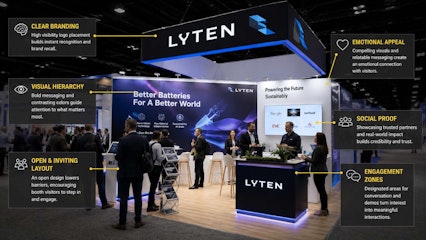
A visually appealing, well-structured space encourages influencers to create more content and interact naturally with your brand. Lighting, layout, and branding all play a role in making the environment “shareable.”
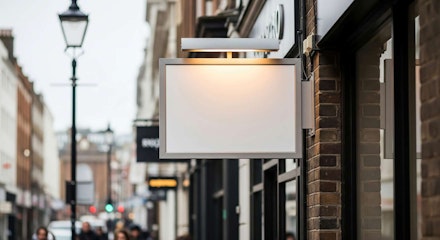
Illuminated display panels for advertising can significantly enhance visibility and create strong visual focal points that stand out both in-person and on camera. These features help ensure that influencer-generated content is visually compelling and instantly recognisable.
Interactive elements such as product demos, live displays, or branded backdrops can further enhance content quality and engagement levels.
Content Strategy: What Influencers Should Create
To maximise impact, it is important to guide influencers on the type of content that will be most effective.
Common high-performing content types include:
Short-form video walkthroughs
Live event coverage or streaming
Product demonstrations
“Day at the trade show” storytelling
Interviews with key team members
The key is to balance structure with authenticity. Over-scripting content can reduce its natural appeal, while too little direction may result in messaging that doesn’t align with your goals.
Providing influencers with key talking points ensures consistency without limiting creativity.
Measuring the Impact of Influencer Activity
Like any marketing strategy, influencer performance should be measured to assess effectiveness.
Key metrics include:
Foot traffic to your trade show stand
Social media impressions and reach
Engagement rates (likes, shares, comments)
Website traffic spikes during and after the event
Lead generation and conversions linked to event activity
Tracking these metrics helps determine return on investment and informs future collaborations.
It also provides insight into which types of content resonate most strongly with your target audience.
Common Mistakes to Avoid
While influencer marketing can be highly effective, there are several common pitfalls to avoid:
Choosing influencers based solely on follower count can lead to poor audience alignment.
Failing to provide clear objectives may result in unfocused content that doesn’t support your goals.
Over-controlling content creation can reduce authenticity and limit engagement.
Neglecting post-event activity can result in missed opportunities for continued visibility.
Avoiding these mistakes ensures that influencer partnerships deliver meaningful results rather than surface-level exposure.
The Future of Influencers in Trade Show Marketing
Influencer involvement in trade shows is likely to grow as brands increasingly recognise the value of hybrid marketing strategies that combine physical and digital engagement.
As social platforms evolve, real-time content creation will become even more important. Livestreaming, short-form video, and interactive content will continue to dominate how audiences engage with events remotely.
We may also see more long-term influencer partnerships, where influencers become ongoing brand advocates rather than one-off collaborators at individual events.
This shift will further blur the line between digital marketing and live event engagement.
Turning Influence into Impact
Leveraging influencers at trade shows is a powerful way to extend reach, increase engagement, and build credibility in highly competitive environments.
By combining trusted voices with live event experiences, brands can amplify their presence far beyond the exhibition floor. Influencers help transform static stands into dynamic, shareable moments that attract both physical and digital audiences.
When integrated effectively into a wider strategy of leveraging social media for trade show success, influencer partnerships become even more impactful, creating a seamless connection between online engagement and real-world experiences.
Supportive stand design also plays a key role, with elements such as illuminated display panels for advertising helping ensure that every piece of content created is visually strong and brand-consistent.
Ultimately, influencer marketing at trade shows is not just about visibility, but about creating meaningful interactions that resonate long after the event ends.
posted in Trade Show Guide
Published: | Updated:


Written By:
Peter Symonds
Peter Symonds is Managing Director at Display Wizard, a Preston based display and exhibition stand provider.
He has over 15 years of experience in the large format print and exhibition industry and has helped grow Display Wizard into one of the UK's leading provider of high-quality display solutions.
Share this Event