 Trustpilot - Rated Excellent
 In-house Design & Print
 Express Production Options
 Instant Credit for Businesses
  Newsletter
Businesses have more ways than ever to reach potential customers. From social media campaigns and search engine advertising to email marketing and video content, brands compete constantly for attention across countless digital channels.
Yet despite the growing sophistication of advertising, there is one challenge that remains remarkably consistent: memory.
Getting someone to see an advert is one thing. Getting them to remember it days, weeks, or even months later is something entirely different.
This is where in-person experiences have a significant advantage. Whether at trade shows, exhibitions, pop-up events, product demonstrations, or experiential marketing campaigns, face-to-face interactions create lasting impressions that traditional advertising often struggles to achieve.
Most people can recall memorable events they attended years ago, yet struggle to remember advertisements they encountered only days earlier. This isn't a coincidence. It reflects the way the human brain processes, stores, and retrieves information.
Understanding why customers remember experiences more than advertisements can help businesses build stronger connections, improve engagement, and create marketing strategies that deliver longer-lasting results.
The Human Brain Is Designed to Remember Experiences
Memory is not a simple recording device. The brain does not store every piece of information it encounters with equal importance.
Instead, it prioritises information that carries meaning, emotion, relevance, or personal involvement.
Experiences naturally contain many of these elements.
When someone attends an event, speaks with a representative, tests a product, or participates in an activity, multiple parts of the brain become engaged simultaneously. They are not simply observing information - they are actively experiencing it.
This creates stronger neural connections than passive exposure alone.
Advertisements often rely on repetition to increase recall. Experiences achieve recall through participation.
The difference is significant.
Active Participation Creates Stronger Memories
One of the biggest reasons experiences are remembered more effectively is that they require active involvement.
Most advertising is passive.
A customer scrolls past an advert, sees a billboard while driving, or watches a promotional video before moving on to something else.
An experience is different.
At an exhibition or event, customers:
Ask questions
Touch products
Hold conversations
Make decisions
Explore displays
Interact with staff
Participation increases mental engagement, and engagement strengthens memory formation.
People tend to remember things they do far more clearly than things they simply observe.
This principle has been recognised in education, psychology, and marketing for decades.
Emotion Makes Experiences More Memorable
Emotion plays a crucial role in memory retention.
Events that make us feel excited, surprised, inspired, entertained, or connected are more likely to be remembered than neutral experiences.
In-person interactions naturally generate emotional responses.
A fascinating product demonstration, an engaging conversation, or an immersive brand activation creates feelings that become attached to the memory itself.
Advertising can certainly evoke emotion, but it often has limited time and attention available to achieve this.
Face-to-face experiences provide greater opportunities to build emotional connections because they unfold over longer periods and involve genuine human interaction.
The stronger the emotional response, the stronger the memory tends to become.
Multiple Senses Strengthen Recall
Advertisements are often limited to one or two senses.
A digital advert may involve sight and sound. A print advert relies almost entirely on visual communication.
Experiences, however, engage multiple senses simultaneously.
Customers may:
See products
Hear demonstrations
Touch materials
Move through environments
Engage in conversations
The brain processes these combined sensory inputs as a richer experience.
The more senses involved, the more pathways exist for retrieving the memory later.
This is one reason why event experiences often remain vivid long after they have ended.
People rarely remember every detail, but they often remember how an experience felt.
Human Interaction Creates Lasting Impressions
Technology has transformed marketing, but human relationships remain powerful.
People naturally connect with other people.
Conversations allow businesses to answer questions, personalise messaging, and create meaningful interactions that advertisements cannot easily replicate.
When customers meet knowledgeable and enthusiastic representatives, they often form impressions not just of the individual but of the brand itself.
These interactions feel authentic because they are dynamic rather than scripted.
Customers can ask questions, receive tailored responses, and engage in genuine dialogue.
This level of personal connection contributes significantly to long-term brand recall.
Experiences Create Stories
Humans are natural storytellers.
People often remember information when it forms part of a narrative rather than existing as isolated facts.
Experiences naturally generate stories.
Someone may remember:
The exhibition they attended
The product demonstration they participated in
The challenge they completed
The conversation they had with a brand representative
These memories become stories that are easy to recall and share with others.
Advertisements often communicate information.
Experiences create narratives.
And narratives are considerably more memorable.
The Role of Novelty in Customer Memory



The brain pays particular attention to things that are unusual or unexpected.
Novel experiences activate curiosity and encourage deeper engagement.
Events and exhibitions provide excellent opportunities to introduce novelty.
Interactive demonstrations, immersive environments, creative displays, and unique brand activations all stand out because they differ from everyday experiences.
Advertising often struggles with this challenge because audiences are exposed to so much promotional content that many messages begin to feel familiar.
Novel experiences break through that familiarity and create stronger memories as a result.
Why Experiential Marketing Continues to Grow
The increasing popularity of live events and experiential campaigns reflects a growing understanding of customer psychology.
Businesses recognise that creating memorable interactions often delivers greater long-term value than simply increasing advertising exposure.
Understanding the impact of experiential marketing on customer memory helps explain why so many brands continue to invest in exhibitions, pop-up experiences, roadshows, and live demonstrations.
These activities provide opportunities to engage customers in ways that traditional advertising cannot.
Rather than simply telling people about a brand, experiential marketing allows them to experience it directly.
That distinction can have a profound impact on recall and perception.
How Trade Shows Leverage Memory-Based Marketing
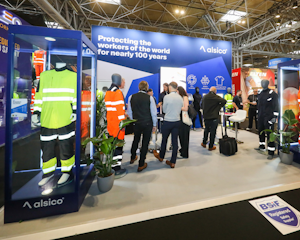
Trade shows represent one of the clearest examples of experience-driven marketing.
Visitors attend specifically to explore products, learn about solutions, and interact with businesses.
Unlike digital advertising, trade shows encourage extended engagement.
Visitors can:
Compare products
Watch demonstrations
Speak with experts
Participate in activities
Experience brands first-hand
Each interaction contributes to memory formation.
This is why exhibitors often focus heavily on creating engaging environments rather than simply displaying information.
The objective is not merely visibility, but memorability.
Creating Experiences Through Physical Displays
Physical displays play a key role in shaping event experiences.
Well-designed exhibition spaces help guide attention, encourage interaction, and reinforce brand messaging.
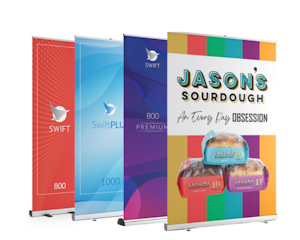
For example, many exhibitors use freestanding promotional displays for exhibitions to create welcoming environments that attract visitors and communicate key information effectively.
When integrated into a broader event strategy, displays become more than visual tools. They become part of the experience itself.
Customers often remember not only what they saw but also how the overall environment made them feel.
This emotional and sensory connection strengthens recall long after the event has finished.
Why Advertising Still Matters
None of this suggests that advertising is ineffective.
Advertising remains essential for:
Building awareness
Driving reach
Supporting campaigns
Reinforcing messaging
Generating interest
However, advertising and experiences often serve different purposes.
Advertising introduces brands.
Experiences deepen relationships.
The most successful marketing strategies combine both approaches.
Advertising can attract attention and encourage attendance, while in-person experiences provide the memorable interactions that strengthen customer connections.
Rather than viewing them as competing approaches, businesses should see them as complementary tools.
Turning Experiences Into Long-Term Brand Loyalty
Memory alone is not the ultimate goal.
The real objective is creating positive associations that influence future decisions.
When customers remember an experience positively, they are more likely to:
Trust the brand
Consider future purchases
Recommend the business to others
Engage again in the future
Positive experiences build familiarity and emotional connection.
Over time, these factors contribute to stronger loyalty and customer retention.
The brands that create memorable experiences often gain advantages that extend far beyond the event itself.
Creating Memories That Advertising Alone Cannot
Customers remember in-person experiences more than advertisements because experiences engage the brain in fundamentally different ways. They involve participation, emotion, multiple senses, storytelling, and genuine human interaction, all of which contribute to stronger and longer-lasting memories.
While advertising remains an important part of any marketing strategy, experiences provide opportunities to create deeper connections and more meaningful engagement. They transform customers from passive observers into active participants, making brand interactions more memorable and impactful.
Whether through trade shows, exhibitions, demonstrations, or experiential campaigns, businesses that focus on creating engaging real-world interactions can build stronger recall, improve customer perception, and foster lasting relationships.
In an increasingly crowded marketing landscape, being seen is important. Being remembered is even more valuable.
posted in Buyer's Guides
Published: | Updated:


Written By:
Peter Symonds
Peter Symonds is Managing Director at Display Wizard, a Preston based display and exhibition stand provider.
He has over 15 years of experience in the large format print and exhibition industry and has helped grow Display Wizard into one of the UK's leading provider of high-quality display solutions.
Share this Event