 Trustpilot - Rated Excellent
 In-house Design & Print
 Express Production Options
 Instant Credit for Businesses
  Newsletter
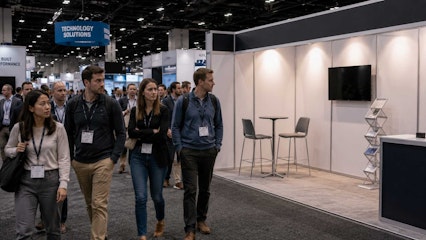
Events and trade shows remain one of the most effective environments for showcasing products directly to potential customers. Unlike digital channels, they offer a unique opportunity for face-to-face interaction, tactile engagement, and real-time feedback. However, with so many brands competing for attention in the same space, simply displaying products is rarely enough.
To stand out, businesses need to think creatively about how they present their offerings. The way a product is showcased can significantly influence perception, engagement, and ultimately purchasing decisions.
Successful event presentation is about more than visibility nowadays - it’s about the experience. Brands that focus on engagement, storytelling, and interaction are far more likely to capture attention and leave a lasting impression.
Below are seven creative ways to showcase products at events in a way that drives engagement and maximises impact.
1. Create Immersive Product Demonstration Zones
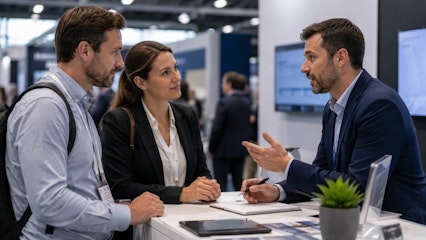
One of the most effective ways to showcase products is by creating dedicated demonstration zones. Instead of simply placing products on a table, immersive zones allow visitors to see them in action.
This approach works particularly well for products that benefit from explanation or hands-on interaction. Demonstrations help potential customers understand functionality, benefits, and real-world applications.
A well-designed demonstration space should:
Be clearly defined within the event layout
Allow for easy visitor access and flow
Include visual cues that draw attention
Encourage participation rather than observation
When visitors can experience a product firsthand, they are far more likely to remember it and consider it seriously.
2. Use Storytelling Through Product Layouts
Storytelling is a powerful tool in marketing, and it can be applied effectively to product displays. Instead of presenting products in isolation, arrange them in a way that tells a logical or emotional story.
This could involve showing:
The problem the product solves
The process of using the product
The transformation it delivers
By guiding visitors through a narrative, you help them understand not just what the product is, but why it matters.
Story-driven layouts create emotional engagement and make complex products easier to understand.
3. Incorporate Interactive Digital Elements
Digital interaction can significantly enhance product visibility and engagement at events. Touchscreens, QR codes, and augmented reality features allow visitors to explore products in more depth.
These tools are particularly useful for showcasing large product ranges or technical features that cannot easily be demonstrated physically.
Creating interactive event experiences also allow visitors to control their own experience, which increases engagement and retention.
When designed effectively, digital interaction bridges the gap between physical and digital marketing, creating a more dynamic experience overall.
4. Design Multi-Sensory Product Experiences
Engagement increases significantly when multiple senses are involved. Beyond sight, incorporating sound, touch, and even scent can create a more memorable experience.
For example:
Touch-friendly product samples encourage tactile engagement
Audio explanations can enhance understanding without staff intervention
Lighting and ambient effects can highlight key features
Multi-sensory design helps create emotional connections, which are often stronger and longer-lasting than visual impressions alone.
This approach is particularly effective in crowded environments where visual competition is high.
5. Use Lighting to Highlight Key Products


Lighting is one of the most underutilised tools in event marketing, yet it has a major impact on visibility and focus. Proper lighting can guide attention, create atmosphere, and emphasise key products.
Strategic lighting helps ensure that important items stand out even in busy exhibition halls.
In some setups, LED advertising display panels can be used to create strong visual focal points that naturally draw attention to featured products. These illuminated elements help reinforce branding while ensuring that key messages remain highly visible throughout the event.
Lighting should always be used intentionally to support the overall presentation rather than overwhelm it.
6. Create Hands-On Engagement Opportunities
Allowing visitors to physically interact with products is one of the most effective ways to build interest. Hands-on experiences help customers understand quality, functionality, and usability in a way that descriptions alone cannot achieve.
This might include:
Product sampling or testing stations
Build-and-try demonstrations
Customisation stations where visitors personalise items
The more involved a visitor becomes, the more likely they are to remember the product and move further along the buying journey.
Encouraging participation also helps create a more relaxed and engaging environment.
7. Use Themed Displays to Reinforce Brand Identity
Themed displays help create a cohesive and memorable event presence. Instead of treating product displays as separate elements, they can be unified under a central theme that reflects the brand’s identity or message.
Themes can be based on:
Product use cases
Industry challenges
Seasonal campaigns
Brand values or messaging
A strong theme helps tie everything together and makes the stand feel more intentional and immersive.
Themed environments also help differentiate a brand from competitors, making it easier for visitors to remember the experience after the event.
Maximising Engagement Through Smart Presentation
While each of these methods can be effective individually, the strongest results come from combining multiple approaches. For example, a themed display can incorporate storytelling, interactive elements, and lighting to create a fully immersive experience.
The key is to design with the visitor journey in mind. Every element should contribute to engagement, understanding, and retention.
This is where strategic planning becomes essential. A well-structured approach ensures that creativity is aligned with purpose and that every display element serves a clear function.
Common Mistakes to Avoid When Showcasing Products
Even well-designed event spaces can fail if common mistakes are made.
These include:
Overcrowding displays with too many products
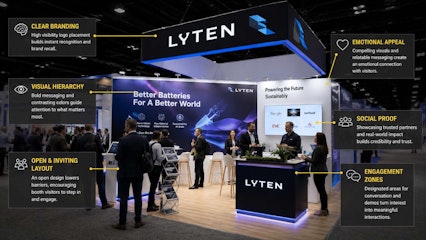
Lack of clear messaging or structure
Poor lighting that hides rather than highlights products
Minimal interaction opportunities for visitors
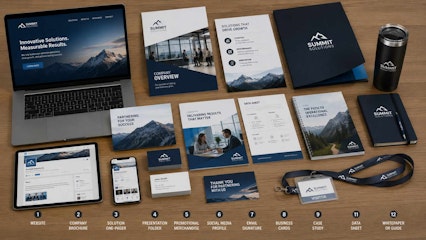
Inconsistent branding across display areas
Avoiding these issues helps ensure that product presentations remain clear, engaging, and effective.
Measuring the Success of Product Displays
To understand the effectiveness of product showcasing strategies, it is important to measure performance after the event.
Key indicators include:
Visitor engagement levels at different display areas
Number of product demonstrations or interactions
Lead quality generated from specific zones
Time spent by visitors at each display
Post-event conversion rates
These insights help refine future event strategies and improve overall return on investment.
Turning Product Displays into Memorable Experiences
Showcasing products at events is no longer just about visibility. At modern day trade shows, making your company or products stand out is about creating meaningful and engaging experiences that capture attention and drive interest.
With a combination of creative approaches like storytelling, interactivity, sensory engagement, and themed environments, brands can significantly improve how their products are perceived and remembered.
The most successful product showcases are those that combine creativity with purpose, transforming simple displays into memorable, engaging experiences that leave a lasting impact.
posted in Trade Show Guide
Published: | Updated:


Written By:
Adam Hart
Adam Hart is the Sales Manager at Display Wizard, a Preston-based exhibition stand provider.
With a strong customer first approach, Adam specialises in matching each client’s brief and budget to the most suitable display solution, while ensuring the finished result still looks the part and reflects the brand at its best.
Share this Event