 Trustpilot - Rated Excellent
 In-house Design & Print
 Express Production Options
 Instant Credit for Businesses
  Newsletter
In marketing, design is often treated as decoration - something that makes content look polished once the “real work” is done. In reality, design is the first layer of communication. It determines whether a message is noticed, understood, and acted upon.
Every visual element a brand produces, whether a digital advert, a retail display, or an exhibition stand, relies on design to guide attention and shape perception. Good design does more than make things attractive; it actively influences behaviour by controlling how information is seen and processed.
In crowded environments such as trade shows, retail spaces, and online platforms, design becomes even more critical. Audiences are exposed to constant stimuli and make rapid decisions about what to engage with. Strong design helps guide those decisions in your favour by improving clarity and reducing friction.
Why Design Matters in Marketing Engagement
Design directly impacts how people interpret and respond to marketing messages. Before a single word is read, audiences have already formed an impression based on layout, colour, spacing, and visual structure.
This initial reaction is powerful because it happens instantly and often subconsciously. A well-designed piece feels credible and intentional, while a poorly designed one can feel confusing or untrustworthy, even if the underlying message is strong.
Engagement depends on clarity. If a viewer has to work too hard to understand what they are looking at, they will move on. Design reduces this cognitive effort by organising information in a way that feels natural to process.
This is particularly important in environments where attention is limited. At trade shows or events, for example, visitors are scanning dozens of competing visuals within seconds. The brands that succeed are those that communicate value immediately through structure and hierarchy.
How Design Influences Perception and Behaviour
Design influences not just what people see, but how they feel about what they see. Visual presentation shapes emotional response, which in turn affects trust, interest, and decision-making.
For example, clean and structured layouts tend to communicate professionalism and reliability. Overcrowded or inconsistent visuals can create uncertainty or reduce perceived credibility.
Colour also plays a role in shaping behaviour. High contrast can draw attention, while softer tones may encourage longer engagement. Typography affects readability and tone, subtly reinforcing brand personality before any content is consciously processed.
Importantly, design also creates direction. Through the arrangement of elements, designers can guide the viewer’s eye from headline to supporting information to call-to-action. This flow is essential for maintaining engagement and ensuring key messages are not missed.
When used effectively, design becomes a silent guide that leads audiences through a structured experience without requiring explanation.
The Importance of Visual Hierarchy in Engagement
One of the most important aspects of effective design is visual hierarchy, or the arrangement of elements in order of importance. It determines what the viewer sees first, second, and third, and how they interpret the information presented.
Strong visual hierarchy ensures that attention is directed deliberately rather than left to chance. Headlines stand out clearly, supporting information is secondary but accessible, and calls-to-action are positioned where they naturally complete the viewing journey.
This structure is particularly important in marketing, where time and attention are limited. Without hierarchy, everything competes for attention equally, resulting in confusion and disengagement.
Applying visual hierarchy principles in design helps eliminate this problem by introducing order. Size, contrast, spacing, and positioning all work together to create a clear path for the eye to follow.
In practical terms, this might mean a bold headline at the top of a display, a supporting visual in the centre, and a concise call-to-action at the bottom. Each element has a defined role, and none overwhelm the others.
Design in Physical Marketing and Event Environments
While design is essential across all marketing channels, its impact is particularly visible in physical environments such as exhibitions, retail spaces, and live events.
In these settings, audiences are moving quickly and making instant judgments. There is no algorithm or search intent guiding their attention, only visual impact and clarity.
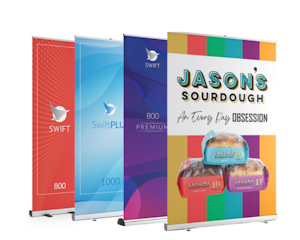
Retractable advertising banners for events are highly effective in these settings, where success depends almost entirely on design quality. Because space is limited, messaging must be distilled into its most essential form, supported by strong hierarchy and clear visuals.
A well-designed banner can communicate a brand’s core message in seconds. A poorly designed one, even if informative, will likely be overlooked. The difference lies in structure; how effectively the design prioritises information and guides attention.
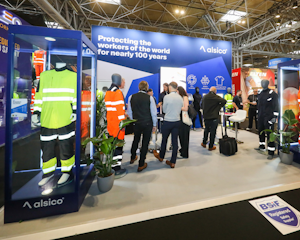
At events, design also plays a role in shaping booth perception. Consistent branding across banners, signage, and displays creates a cohesive experience, reinforcing credibility and professionalism. Inconsistent or cluttered visuals can have the opposite effect, making a stand feel disorganised or difficult to engage with.
Key Elements of Effective Marketing Design


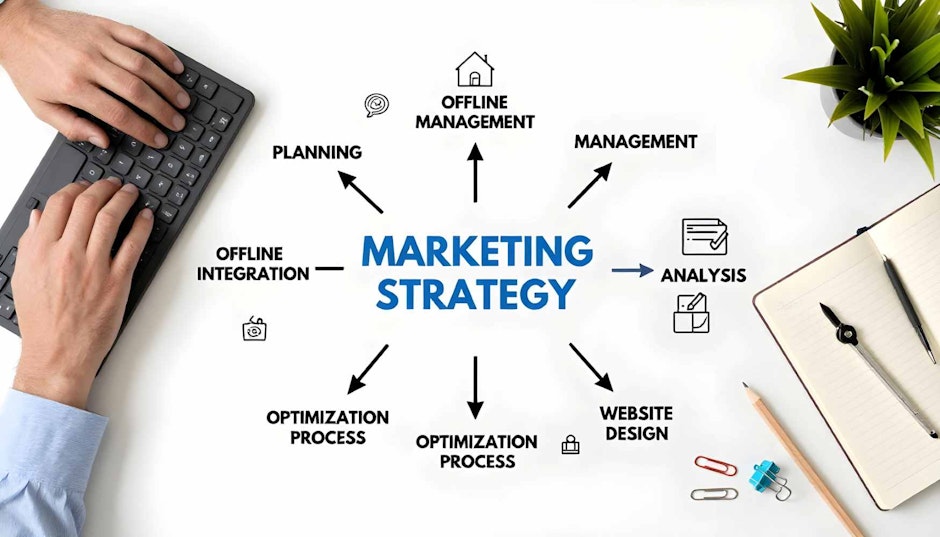
Several core principles underpin effective design in marketing:
1. Clarity
Every design should communicate its purpose immediately. If a viewer cannot understand the main message within seconds, the design is not working effectively.
2. Simplicity
Simplified layouts improve comprehension. Removing unnecessary elements allows key messages to stand out more clearly.
3. Consistency
Visual consistency across platforms builds familiarity and trust. This includes colour schemes, typography, and layout styles.
4. Contrast
Contrast helps direct attention. Whether through colour, size, or spacing, differences between elements create emphasis and structure.
5. Alignment
Well-aligned elements create order and improve readability. Misaligned or chaotic layouts can reduce perceived professionalism.
Together, these principles form the foundation of strong marketing design, ensuring that content is both visually appealing and strategically effective.
Design and Emotional Engagement
Beyond structure and clarity, design also plays a key role in emotional engagement. Visual elements can influence how audiences feel about a brand before they have interacted with it directly.
Warm colours may create a sense of approachability, while bold, high-contrast designs can communicate energy and urgency. Minimalist layouts often suggest sophistication and control, while more dynamic compositions can feel expressive and creative.
These emotional cues are subtle but powerful. They shape perception and can influence whether a viewer chooses to engage further or move on.
In marketing, emotional response often precedes rational evaluation. This means design must work on both levels; capturing attention visually while also supporting the intended brand message emotionally.
Common Design Mistakes That Reduce Engagement
Even strong messages can be undermined by poor design choices. Some of the most common issues include:
Overcrowding, where too much information competes for attention, reducing clarity. Poor hierarchy, where no clear focal point exists, forcing viewers to guess what matters most. Inconsistent branding, which weakens recognition and trust. And low contrast, which can make key messages difficult to read in real-world environments.
In physical marketing especially, these mistakes can significantly reduce performance. If a banner or display cannot be understood quickly, it loses its effectiveness entirely.
Why Strong Design Creates Stronger Marketing
Design plays a central role in how marketing performs. It influences attention, shapes perception, and guides behaviour - all within seconds of exposure.
When applied effectively, design turns communication into a structured experience rather than a collection of disconnected elements. It ensures that messages are not only seen but understood in the right order and with the right emphasis.
Principles such as hierarchy, contrast, and clarity are functional tools that determine whether marketing succeeds or fails in capturing attention. Brands that invest in design quality consistently outperform those that treat it as an afterthought, making marketing more focused, more engaging, and ultimately more effective.
posted in Marketing Advice
Published: | Updated:


Written By:
Peter Symonds
Peter Symonds is Managing Director at Display Wizard, a Preston based display and exhibition stand provider.
He has over 15 years of experience in the large format print and exhibition industry and has helped grow Display Wizard into one of the UK's leading provider of high-quality display solutions.
Share this Event