 Trustpilot - Rated Excellent
 In-house Design & Print
 Express Production Options
 Instant Credit for Businesses
  Newsletter
Personalised marketing has become one of the most important strategies in modern customer engagement. As audiences are exposed to more content than ever before, generic messaging is increasingly ignored. People expect brands to understand their needs, preferences, and behaviours - and respond accordingly.
At its core, personalised marketing is about relevance. It involves tailoring messages, experiences, and interactions to individual users or specific audience segments. This can range from simple tactics such as using a customer’s name in an email, to more advanced strategies like dynamic website content or behaviour-based product recommendations.
In both digital and physical environments, personalisation helps brands cut through noise and create meaningful connections. This is especially relevant in event and exhibition spaces, where competition for attention is intense and engagement time is limited. Let’s break down what personalised marketing is, and how you can strategise it to support your brand.
What Is Personalised Marketing?
Personalised marketing is a strategy that uses data, insights, and behavioural signals to deliver tailored messaging to individuals or specific audience groups. Instead of broadcasting a single message to everyone, brands adapt communication based on what they know about their audience.
This can include:
Demographic data (age, location, job role)
Behavioural data (website visits, clicks, purchase history)
Engagement data (email opens, event attendance, interactions)
The goal is to ensure that every interaction feels relevant and timely.
For example, two users visiting the same website might see different homepage content based on their previous behaviour. One might be shown introductory information, while another sees advanced product details or pricing.
This level of relevance increases the likelihood of engagement because the content aligns more closely with what the user actually wants or needs at that moment.
Why Personalised Marketing Works
Personalised marketing is effective because it aligns with how people naturally make decisions. Humans are more likely to engage with content that feels relevant to them personally, rather than generic messaging that could apply to anyone.
There are several psychological principles at play:
1. Relevance increases attention
People are more likely to notice messages that feel tailored to their interests or needs. Irrelevant content is quickly ignored.
2. Reduced cognitive effort
When messaging is clearly relevant, it requires less effort to process. This makes engagement more likely.
3. Perceived value increases trust
When a brand demonstrates understanding of its audience, it builds trust and credibility.
4. Emotional connection strengthens engagement
Personalised experiences feel more human, which increases emotional response and long-term loyalty.
Together, these factors make personalisation one of the most effective tools for improving marketing performance across channels.
Types of Personalised Marketing
Personalisation can take many forms depending on the channel, data available, and level of sophistication.
1. Email personalisation
One of the most common forms, email personalisation includes using names, tailoring content based on behaviour, and sending targeted campaigns based on user segments.
2. Website personalisation
Websites can dynamically adjust content based on user behaviour, location, or previous interactions. This might include personalised product recommendations or tailored landing pages.
3. Product recommendations
E-commerce platforms often use algorithms to suggest products based on browsing or purchase history, increasing conversion rates.
4. Retargeting ads
Users who have interacted with a brand online may see follow-up ads designed to re-engage them.
5. Event and in-person personalisation
In physical environments such as exhibitions or trade shows, personalisation might include tailored demonstrations, targeted conversations, or customised visitor journeys.
Data and Technology Behind Personalisation



Personalised marketing relies heavily on data collection and analysis. Without data, it is impossible to understand audience behaviour or preferences.
Common tools and technologies include:
Customer relationship management (CRM) systems
Marketing automation platforms
Website analytics tools
Artificial intelligence and machine learning systems
These technologies allow brands to collect, process, and act on large volumes of data in real time.
AI in particular has significantly advanced personalisation by enabling predictive recommendations and automated content delivery. This means brands can anticipate user needs rather than simply react to them.
However, successful personalisation is not just about technology - it also requires strategy. Data must be used responsibly and meaningfully to avoid overwhelming or alienating audiences.
Personalisation in Trade Shows and Events
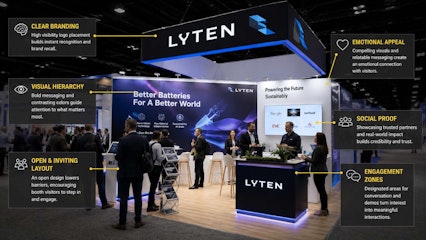
Personalised marketing is not limited to digital channels. It plays a significant role in physical environments such as trade shows, exhibitions, and retail spaces.
At events, every visitor has different needs, levels of interest, and buying intent. Personalisation helps exhibitors tailor their interactions to match those differences.
For example:
A returning visitor might receive a more advanced product walkthrough
A new prospect might be introduced to core services first
A high-value lead might receive a dedicated consultation
This approach ensures that every interaction is relevant and efficient.
The physical setup of a stand can also support personalisation. Flexible layouts, clear messaging zones, and adaptable displays make it easier to tailor conversations in real time.
Choosing the right equipment also matters. Display banner stand options available here can help exhibitors create adaptable spaces that support different engagement approaches depending on visitor type and intent.
Challenges of Personalised Marketing
While personalisation is highly effective, it does come with challenges.
1. Data privacy concerns
Customers are increasingly aware of how their data is used. Brands must ensure transparency and compliance with regulations such as GDPR.
2. Over-personalisation
Too much personalisation can feel intrusive. Striking the right balance is essential.
3. Data accuracy
Poor-quality or outdated data can lead to irrelevant or incorrect messaging, damaging trust.
4. Integration complexity
Combining data from multiple sources can be technically challenging, especially for larger organisations.
Despite these challenges, the benefits of personalisation typically outweigh the risks when implemented carefully.
Best Practices for Effective Personalised Marketing
To maximise the impact of personalised marketing, brands should follow several key principles:
Focus on relevance, not complexity
Use data ethically and transparently
Segment audiences clearly before scaling personalisation
Continuously test and optimise messaging
Ensure consistency across all channels
Importantly, personalisation should always feel natural. The goal is to enhance the customer experience, not disrupt it.
When done well, it creates a sense of connection between brand and audience that drives long-term engagement.
The Future of Personalised Marketing
Personalised marketing is expected to become even more advanced as technology continues to evolve. Artificial intelligence, predictive analytics, and real-time data processing will allow for increasingly precise targeting and messaging.
In the future, personalisation will likely move beyond simple content adaptation into fully adaptive experiences. Websites, ads, and even physical environments may adjust dynamically based on user behaviour.
However, as personalisation becomes more sophisticated, maintaining trust will become even more important. Transparency, consent, and ethical data use will remain central to successful strategies.
Creating Meaningful Connections Through Personalisation
Personalised marketing is ultimately about creating relevance at scale. By understanding audience needs and responding with tailored messaging, brands can significantly improve engagement, trust, and conversion rates.
Whether through digital channels or live environments, personalisation helps transform generic communication into meaningful interaction.
In physical spaces such as exhibitions and events, strategies informed by personalising visitor experiences at trade shows allow brands to engage more effectively and create stronger connections with potential customers.
When combined with adaptable physical setups, personalisation becomes even more powerful, enabling brands to respond dynamically to different audience types.
As marketing continues to evolve, one principle remains consistent: the more relevant the message, the stronger the response.
posted in Marketing Advice
Published: | Updated:


Written By:
Peter Symonds
Peter Symonds is Managing Director at Display Wizard, a Preston based display and exhibition stand provider.
He has over 15 years of experience in the large format print and exhibition industry and has helped grow Display Wizard into one of the UK's leading provider of high-quality display solutions.
Share this Event