
 Trustpilot - Rated Excellent
 In-house Design & Print
 Express Production Options
 Instant Credit for Businesses
 Newsletter


- Home
- Exhibition Stands
Exhibition Stands & Trade Show Displays
Compare exhibition stands for trade shows, conferences and events, from portable pop ups and fabric displays to modular systems, illuminated stands and fully managed exhibition stand hire. Shop by stand shape, floor space, setup style and level of service.







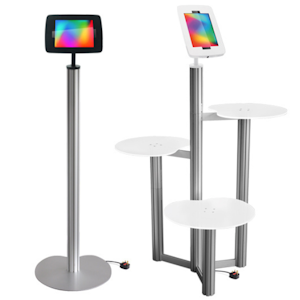

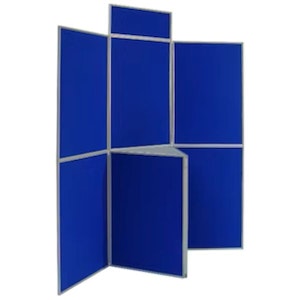
Best Selling Exhibition Stands


Swift Plus Roller Banner
Was £59.00From £55.00

EventPro Pop Up Display Stand - (3x3 Quadrant) - Curved
Was £393.00From £335.00

Demo Centre 2 Promotional Display Stand
Was £129.00From £109.00

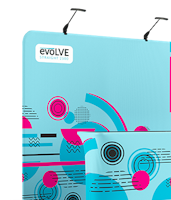
Evolve Straight Fabric Pop Up - 3m
Was £427.00From £419.00

Swift Roller Banner
Was £49.00From £42.00

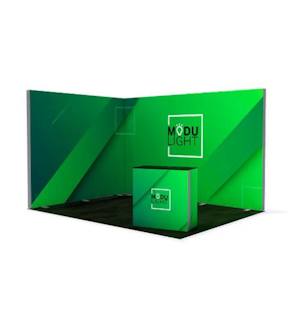
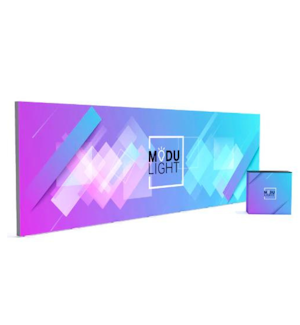
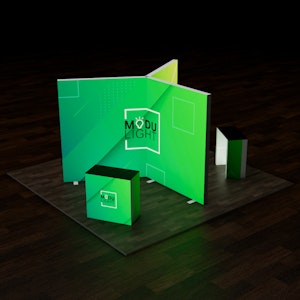
ModuLIGHT LED Backlit Exhibition - L-Shape - 4m x 3m
Was £5,719.00From £4,809.00

Swift Desktop Roller Banner
Was £8.50From £7.50









Which Exhibition Stand Do I Need?
The right exhibition stand depends on four things: your booked floor space, how often you exhibit, how the display will be transported and whether you want to build it yourself or have the whole project managed for you.
Portable Exhibition Stands
Choose portable displays when quick setup, lower cost and easy transport matter most.
Good options include roller banners, pop up exhibition stands and fabric exhibition stands.
These are well suited to smaller stands, roadshows, conferences and exhibitors who transport their own equipment.
Modular Exhibition Stands
Choose a modular system when you exhibit regularly and want hardware that can be reused across different floor spaces.
Systems such as QwikFRAME, Twist2 and ModuLIGHT can create larger backwalls, L-shaped stands, U-shaped stands and more structured layouts.
Fully Managed Stand Hire
Choose Exhibition Stand Design & Hire when you want one team to manage the design, graphics, flooring, lighting, furniture, project management, installation and breakdown.
This route is best for space-only plots, larger stands and exhibitors who do not want to coordinate multiple suppliers.
Shop by Exhibition Space
If you already know your booked footprint, start with the stand-size categories on this page.
Common exhibition footprints include:
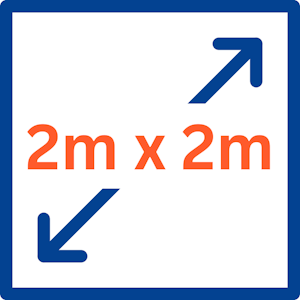
2m x 2m: compact portable and fabric displays
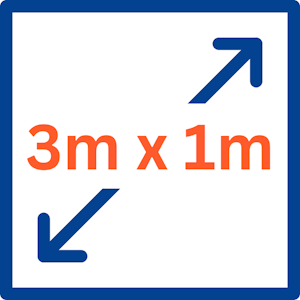
3m x 1m: narrow backwalls and linked display systems
3m x 2m: larger pop ups, fabric stands and modular backwalls
3m x 3m: enough room for larger modular systems, counters and visitor space
Always confirm the exact dimensions, open sides and height restrictions with the organiser before ordering.
Shop by Stand Shape
The shape of the booked space can narrow the choice quickly.
Backwall stands: ideal for inline plots and simple branded backdrops
L-shaped stands: useful for corner plots with two open sides
U-shaped stands: create a more enclosed booth with three branded walls
Island stands: designed for open plots approached from several directions
Use the shape navigation above to compare products that are already grouped around these layouts.
Portable vs Modular vs Hire
Choose Portable When:
You need to transport the display yourself
Setup needs to be quick
The stand footprint is relatively small
Budget is a priority
You attend occasional events
Choose Modular When:
You exhibit several times a year
Stand sizes change between events
You want to reuse hardware
You need a more substantial branded backdrop
You may want to add arches, lighting, storage or AV
Choose Managed Hire When:
The stand is space-only
You need a more bespoke appearance
You want professional installation and breakdown
Flooring, lighting, screens and furniture are required
Venue documentation and project management need to be handled centrally
How Much Does an Exhibition Stand Cost?
Exhibition stand pricing varies significantly by size and format.
Portable displays can start with simple banner and pop up systems, while larger modular stands cost more because they use more structure, graphics and accessories.
For fully managed stand hire, Display Wizard currently uses fixed square-metre pricing:
0-12m²: £429 per m²
13-24m²: £379 per m²
25m² and above: £349 per m²
The current Vision hire-kit range starts at £3,861, with larger configurations priced individually.
For the latest managed-hire costs and inclusions, see Exhibition Stand Design & Hire.
Shell Scheme or Space Only?
A shell scheme usually gives you pre-built walls and a defined booth structure. In that situation, portable displays, counters and shell scheme graphics are often the easiest way to personalise the space.
A space-only booking gives you an empty floor area and more freedom to use modular or fully managed stand systems.
If you are unsure which format you have booked, check the organiser paperwork before ordering.
Advantages
Eye-catching, bespoke displays
Lightweight
Easy to assemble
Durable for travel and re-use
Guarantees on the hardware
Most items can be dispatched within 3-5 days of receiving your artwork
Ideal Uses
Trade Show
Exhibition
Retail Environment
Public Space
School
University
Many, many more…
What to Check Before Ordering an Exhibition Stand
Before choosing a display, confirm:
Exact stand width and depth
Number of open sides
Maximum build height
Whether the booking is shell scheme or space only
Venue access and build times
Power requirements
Screen or AV requirements
Storage needs
Furniture and counter requirements
How the stand will be transported
Whether you need professional installation
Artwork deadlines
These checks help prevent ordering a stand that does not fit the booked space or venue rules.
Exhibition Stands for Repeated Use
If you exhibit regularly, consider the long-term cost rather than just the first event.
A modular system can often be more economical over several shows because the main hardware can be reused while graphics, connectors or layouts are changed.
Portable fabric and pop up systems can also be reused repeatedly where the same footprint is required.
Adding Counters, Screens and Furniture
The main backdrop is only one part of the stand.
You can complete the space with exhibition counters, portable TV stands and AV displays and portable exhibition furniture.
Plan these elements at the same time as the stand so visitor flow and usable floor space are not compromised.
Need Help Choosing?
Use the stand-shape and floor-space categories above if you already know the layout you need.
If you are comparing stand types, the Exhibition Stand Buyer's Guide and Trade Show Guide on this page provide more detailed planning help.
For a complete managed project, request a quote through the Exhibition Stand Design & Hire service.
Frequently asked questions
What type of exhibition stand should I choose?
Choose based on your floor space, transport method, frequency of use and whether you want self-build hardware or a fully managed service. Portable stands suit smaller events, modular systems suit repeated use and managed hire suits larger space-only projects.
What size exhibition stand do I need?
Use the exact floor space booked with the organiser. Common footprints include 2m x 2m, 3m x 2m and 3m x 3m, but you should also confirm open sides and maximum build height.
What is the difference between portable and modular exhibition stands?
Portable stands prioritise quick setup and easy transport. Modular systems use reusable components that can be combined into different layouts and larger stand configurations.
What is the difference between shell scheme and space only?
Shell scheme normally includes pre-built booth walls, while space only gives you an empty floor area and more freedom to install a larger modular or bespoke stand.
How much does an exhibition stand cost?
Cost depends on size and type. Portable displays are generally the lowest-cost route, modular systems cost more, and fully managed hire is priced by stand area and specification. Display Wizard's managed hire currently starts at £429 per m² for stands up to 12m².
Can exhibition stands be reused?
Yes. Portable and modular hardware is designed for repeated use. Modular systems are particularly useful when the stand needs to be reconfigured for different footprints.
Can I add a TV, counter or furniture?
Yes. Many exhibition layouts can be combined with counters, AV displays and portable furniture. Plan these alongside the main stand so there is enough visitor space.
Do I need professional installation?
Many portable stands are designed for self-build use. Larger modular, truss and bespoke hire systems may benefit from or require professional installation depending on the design and venue.
What should I check with the event organiser before ordering?
Confirm the stand dimensions, open sides, maximum height, shell-scheme or space-only status, power, venue access, build times and any technical or safety rules.