 Trustpilot - Rated Excellent
 In-house Design & Print
 Express Production Options
 Instant Credit for Businesses
  Newsletter
Every exhibitor hopes for a steady stream of visitors throughout a trade show. Yet while some stands remain busy from the moment the doors open, others struggle to attract meaningful conversations despite offering excellent products and services.
It's easy to assume that visitor numbers are determined by location or budget alone, but that's rarely the full story. More often, people decide whether to approach a stand based on a series of subconscious impressions formed in just a few seconds.
Everything from your stand layout and messaging to staff behaviour and lighting influences those decisions. Even small design choices can make the difference between someone stopping to engage or simply walking past.
The encouraging news is that many of the factors that discourage visitors are entirely within your control. By understanding why people avoid certain booths, you can remove those barriers and create an exhibition space that feels welcoming, professional, and worth exploring.
Here are twelve of the most common reasons visitors choose not to step onto a trade show stand.
1. The Booth Looks Cluttered
One of the quickest ways to overwhelm visitors is by trying to display too much information at once.
Many exhibitors feel tempted to showcase every product, list every service, and include every marketing message they can think of. Unfortunately, this often has the opposite effect.
Visitors walking through busy exhibition halls don't have time to process excessive information.
Instead, they look for displays that communicate a clear message immediately.
Simple layouts, organised graphics, and carefully selected displays allow visitors to understand your offering within seconds.
Businesses that focus on minimising booth clutter to improve engagement often find that cleaner exhibition spaces naturally encourage more conversations because visitors don't feel overwhelmed before they've even stepped inside.
2. Staff Appear Unapproachable
Visitors pay just as much attention to the people inside a booth as they do to the displays themselves.
If staff members appear distracted, are busy looking at their phones, or spend the entire day talking amongst themselves, passers-by may assume they are interrupting.
Similarly, standing with folded arms or remaining seated behind a table can unintentionally create psychological barriers.
Approachable staff typically:
Smile naturally.
Maintain open body language.
Make eye contact.
Welcome visitors without applying pressure.
Allow people time to browse comfortably.
Friendly interactions encourage engagement long before any sales conversation begins.
3. There Is No Clear Message
Many exhibition stands suffer from a surprisingly simple problem.
Visitors cannot immediately understand what the business actually does.
If your primary message requires several minutes of explanation, many people will simply continue walking.
Your stand should answer three questions almost instantly:
Who are you?
What do you offer?
Why should visitors care?
Clear headlines, concise messaging, and strong visual hierarchy make these answers immediately obvious.
Confusion rarely generates curiosity.
Clarity does.
4. The Booth Feels Difficult to Enter
Physical layout has a significant influence on visitor behaviour.
Large reception desks, promotional tables positioned across entrances, and awkward furniture arrangements can all make stands appear closed.
Even if there is technically enough room to enter, visitors may subconsciously perceive obstacles as signals that they are intruding.
Open entrances, generous walkways, and welcoming layouts reduce this psychological friction.
People are much more likely to enter spaces that feel naturally accessible.
5. Everything Looks the Same
Trade shows are highly competitive environments.
When every exhibitor relies on similar colours, messaging, and display styles, individual booths become difficult to distinguish from one another.
Standing out doesn't necessarily require extravagant design.
Instead, focus on creating a distinctive visual identity through:
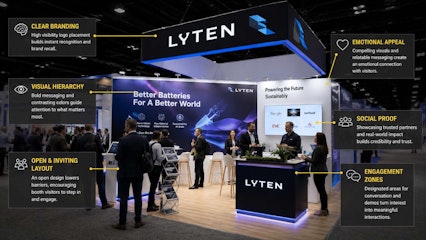
Consistent branding
Bold headlines
Professional graphics
High-quality photography
Thoughtful use of colour
Memorable design helps visitors recognise your stand even from a distance.
6. There Is Nothing Happening
People are naturally drawn towards activity.
A completely static booth often appears less interesting than one where demonstrations, discussions, or presentations are taking place.
Movement attracts attention.
This doesn't mean every stand needs elaborate technology or theatrical presentations.
Simple activities such as:
Live demonstrations
Product testing
Expert talks
Interactive displays
Customer conversations
can create an atmosphere that encourages passers-by to investigate further.
Busy booths often become even busier because activity itself attracts curiosity.
7. Visitors Feel They'll Be Pressured Into a Sales Conversation



One common reason people avoid exhibition stands is fear of being subjected to an aggressive sales pitch.
Many attendees simply want to browse before deciding whether they wish to speak with someone.
Exhibitors can reduce this concern by creating relaxed environments where visitors feel free to explore at their own pace.
Staff should focus on starting conversations rather than immediately trying to close sales.
Questions such as "Is there anything you'd like to know?" generally feel more welcoming than launching into rehearsed sales scripts.
The objective is to remove pressure rather than increase it.
8. The Stand Looks Poorly Maintained
Presentation matters.
Visitors often make assumptions about product quality based on the quality of the exhibition stand itself.
Common issues include:
Damaged graphics
Wrinkled banners
Worn flooring
Untidy literature
Dirty display units
Poor lighting
While these details may seem relatively minor individually, together they create an impression of neglect.
A clean, organised stand communicates professionalism before conversations even begin.
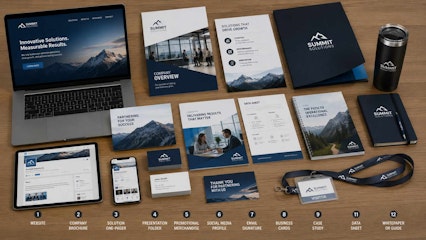
9. The Branding Lacks Consistency
Customers notice inconsistency surprisingly quickly.
If your printed materials, digital screens, banners, and staff clothing all appear disconnected, visitors may struggle to remember your business afterwards.
Strong branding should remain consistent across:
Colours
Typography
Photography
Messaging
Logos
Tone of voice
Consistency creates familiarity, and familiarity encourages trust.
Every element of your booth should reinforce the same overall identity.
10. The Lighting Doesn't Draw Attention
Lighting has a significant impact on how exhibition spaces are perceived.
Dark or unevenly lit stands often appear less inviting than brighter neighbouring displays.
Strategic lighting can highlight products, improve readability, and create visual contrast within busy exhibition halls.
Backlit promotional signage for modern branding can increase visibility while creating an eye-catching focal point that remains consistent with their wider visual identity.
Thoughtful lighting helps visitors notice your stand before they consciously decide where to look.
11. Visitors Cannot See an Immediate Benefit
People naturally ask themselves one important question when approaching any exhibition stand:
"What's in it for me?"
If the answer isn't obvious, they are likely to continue walking.
Successful exhibitors communicate value quickly.
Rather than focusing exclusively on company history or technical specifications, they explain how their products or services solve genuine customer problems.
Benefits resonate more strongly than features.
Visitors engage when they understand how a business can improve their situation.
12. There Is No Clear Next Step
Even when visitors stop and engage, some exhibitors fail to guide the conversation towards a meaningful outcome.
Every booth should make the next step clear.
This might involve:
Booking a demonstration
Scheduling a consultation
Collecting a brochure
Joining a mailing list
Scanning a QR code
Taking away a product sample
Without direction, valuable conversations may end without generating future opportunities.
Clear calls to action help convert interest into measurable results.
Why Small Details Matter
Many exhibitors search for dramatic ways to increase visitor numbers.
In reality, improvements often come from addressing dozens of smaller details.
Visitors rarely avoid booths because of one major flaw.
Instead, multiple small barriers combine to create hesitation.
For example:
Slightly confusing messaging.
Unapproachable staff.
Poor lighting.
Cluttered displays.
Weak branding.
Individually these issues may seem insignificant.
Together they create enough friction for visitors to simply keep walking.
Successful exhibition design focuses on removing these barriers wherever possible.
Creating Booths That Invite Conversation
The best-performing exhibition stands have one thing in common.
They make interaction feel easy.
Visitors should immediately feel comfortable approaching, understand what your business offers, and recognise where conversations can begin.
Achieving this doesn't necessarily require expensive technology or large exhibition spaces.
Instead, successful booths typically prioritise:
Simplicity
Accessibility
Professional presentation
Consistent branding
Friendly staff
Clear messaging
Logical layouts
When these elements work together, visitors naturally feel more confident engaging with your business.
Removing the Barriers to Better Engagement
Visitors rarely avoid trade show booths without reason. Their decisions are influenced by dozens of subtle psychological cues, from the clarity of your messaging and the openness of your layout to the behaviour of your staff and the overall quality of your presentation. Understanding these factors allows exhibitors to make informed improvements that encourage more people to stop, engage, and remember their brand.
The most successful booths are not always the largest or the most expensive. They are the ones that communicate clearly, feel welcoming, and make it easy for visitors to understand both the business and the value it offers. By reducing clutter, improving accessibility, maintaining consistent branding, and creating genuine opportunities for conversation, businesses can significantly increase engagement throughout an exhibition.
Trade shows offer valuable opportunities to build relationships and generate new business. Removing the common barriers that discourage visitors is one of the most effective ways to ensure your stand attracts attention for all the right reasons and delivers stronger results from every event.
posted in Trade Show Guide
Published: | Updated:


Written By:
Peter Symonds
Peter Symonds is Managing Director at Display Wizard, a Preston based display and exhibition stand provider.
He has over 15 years of experience in the large format print and exhibition industry and has helped grow Display Wizard into one of the UK's leading provider of high-quality display solutions.
Share this Event