 Trustpilot - Rated Excellent
 In-house Design & Print
 Express Production Options
 Instant Credit for Businesses
  Newsletter
Being a small business can be a tremendous advantage. Smaller organisations are often more agile, offer more personalised service, and build stronger relationships with customers than larger competitors. However, one challenge many small businesses face is perception.
When potential customers encounter a business for the first time, they know very little about its experience, reliability, or reputation. Without established brand recognition, they naturally look for signals that indicate whether a company can be trusted.
Fortunately, appearing established isn't about pretending to be something you're not. Instead, it's about presenting your business professionally, consistently, and confidently. By demonstrating reliability through every customer touchpoint, even newly launched businesses can build credibility and compete with much larger organisations.
Here are ten practical ways to help your small business project confidence and earn customer trust.
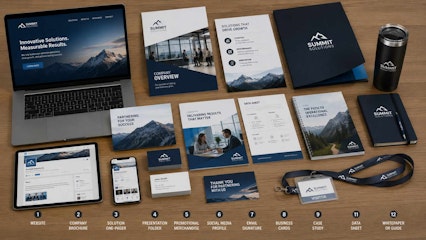
1. Develop a Consistent Brand Identity
One of the quickest ways to undermine credibility is inconsistent branding.
If your logo changes across different platforms, your colours vary from one piece of marketing to another, or your messaging lacks a clear personality, customers may assume your business is inexperienced or disorganised.
A professional brand identity should remain consistent across every customer interaction, including:
Your website
Social media channels
Printed materials
Email communications
Packaging
Signage
Advertising
Consistency creates familiarity, and familiarity often leads to trust.
Customers are far more likely to remember businesses that present themselves cohesively across multiple channels.
2. Invest in a Professional Website
For many businesses, the website forms the first impression.
Potential customers expect to find accurate information presented clearly and professionally. An outdated or poorly designed website can create doubts before any conversation has even taken place.
An effective website should include:
Clear descriptions of your products or services
Professional photography
Customer testimonials
Contact information
Easy navigation
Fast loading speeds
Mobile-friendly design
Your website doesn't need unnecessary complexity, but it should inspire confidence from the moment visitors arrive.
3. Showcase Genuine Customer Reviews
Nothing demonstrates credibility quite like positive feedback from existing customers.
Reviews reassure prospective buyers that others have already trusted your business and enjoyed a positive experience.
Encourage satisfied customers to leave reviews on appropriate platforms and feature testimonials throughout your marketing where relevant.
Authentic feedback often carries far greater influence than promotional claims because customers generally place more trust in independent opinions than advertising.
Case studies can further strengthen credibility by illustrating how you've solved real problems for real clients.
4. Maintain Professional Communication
Every email, phone call, quotation, and customer interaction contributes to your reputation.
Professional communication demonstrates attention to detail and reinforces confidence.
This includes:
Responding promptly to enquiries
Using clear, friendly language
Providing accurate information
Delivering on promised timescales
Maintaining consistent branding across communications
Small improvements in communication often have a significant impact on how established your business appears.
Customers remember organisations that are organised, reliable, and easy to work with.
5. Build a Strong Online Presence



Today's customers rarely rely on a single source of information.
Before making purchasing decisions, many people research businesses across multiple platforms.
A strong online presence might include:
An active website
Regular social media activity
Google Business Profile
Online reviews
Helpful blog content
Industry directories
Customers gain confidence when they encounter consistent information wherever they look.
Regular updates also demonstrate that your business is active and engaged.
6. Show the People Behind the Business
Customers increasingly want to know who they're buying from.
Introducing your team, sharing your story, and highlighting your values helps create genuine connections with your audience.
Rather than trying to appear like a large anonymous corporation, many smaller businesses benefit from humanising your brand to build credibility, allowing customers to relate to the people behind the products or services.
Photographs of your team, behind-the-scenes content, company updates, and personal insights all help reinforce authenticity while strengthening trust.
Businesses often appear more established when they feel approachable as well as professional.
7. Use High-Quality Marketing Materials
Your printed materials often reflect how customers perceive your business.
Poor-quality brochures, faded graphics, or inconsistent branding can unintentionally create the impression that your company lacks attention to detail.
Professional marketing materials should communicate quality through both their design and production.
This includes:
Business cards
Brochures
Leaflets
Product catalogues
Presentation folders
Exhibition graphics
Well-produced materials reinforce your commitment to professionalism long after customer meetings have ended.
8. Present Yourself Professionally at Events
Trade shows, exhibitions, networking events, and conferences provide valuable opportunities to strengthen your reputation.
Customers often make rapid judgements based on first impressions, making presentation especially important.
Professional displays, organised branding, and knowledgeable staff all contribute to a stronger perception of your business.
Professional signage systems for business events ensure their branding remains consistent while creating a polished appearance that reflects the quality of their products and services.
A well-presented exhibition space communicates confidence regardless of company size.
9. Demonstrate Expertise Through Valuable Content
Established businesses are often recognised because they consistently share useful knowledge.
Publishing educational content allows smaller companies to demonstrate expertise while building trust with prospective customers.
Useful content may include:
Blog articles
Buying guides
Industry insights
Videos
FAQs
Checklists
Webinars
Providing helpful information without immediately focusing on sales positions your business as a knowledgeable resource rather than simply another supplier.
Over time, this builds authority within your industry.
10. Deliver Consistently Excellent Customer Experiences
Ultimately, the strongest reputation comes from delivering what you promise.
No amount of branding can compensate for poor customer experiences.
Every satisfied customer becomes another opportunity to strengthen your reputation through recommendations, repeat business, and positive reviews.
Consistency matters more than perfection.
Businesses that communicate clearly, solve problems efficiently, and exceed expectations often appear more established because customers associate reliability with experience.
Even small gestures - such as following up after a purchase or resolving issues promptly - can leave lasting impressions that contribute to long-term credibility.
Why Perception Matters in Competitive Markets
Customers often compare multiple businesses before making purchasing decisions.
When products, pricing, and services appear similar, perception frequently becomes the deciding factor.
Professional presentation reduces uncertainty.
It reassures customers that your business is organised, capable, and dependable.
This is particularly important for smaller businesses competing against well-known brands with greater recognition.
Fortunately, perception is shaped by dozens of individual interactions rather than one dramatic moment.
Every positive experience contributes to a stronger overall impression.
Common Mistakes That Make Businesses Look Less Established
While many businesses focus on attracting attention, some unintentionally weaken their credibility through avoidable mistakes.
Inconsistent Branding
Changing logos, colours, or messaging too frequently creates confusion.
Outdated Marketing Materials
Old contact details, low-quality printing, or obsolete information reduce confidence.
Slow Communication
Long response times may suggest poor organisation.
Poor Website Maintenance
Broken pages, spelling mistakes, or outdated content create unnecessary doubts.
Neglecting Customer Reviews
Ignoring customer feedback means missing opportunities to demonstrate credibility publicly.
Trying to Appear Larger Than Reality
Customers value honesty.
Small businesses should embrace their strengths rather than pretending to be multinational organisations.
Authenticity often builds more trust than exaggeration.
Small Businesses Have Unique Advantages
Appearing established does not mean behaving like a corporate giant.
Many customers actively choose smaller businesses because they expect:
More personalised service
Faster decision-making
Greater flexibility
Better communication
Stronger customer relationships
Rather than hiding your size, focus on presenting these strengths professionally.
Customers appreciate businesses that combine personal service with consistent professionalism.
That combination is often more persuasive than simply appearing large.
Building Credibility Takes Time
There is no shortcut to becoming an established business.
Credibility develops gradually through repeated positive experiences.
Every successful project, satisfied customer, positive review, and professional interaction strengthens your reputation.
The good news is that perception can improve much more quickly than business size.
Even relatively young companies can project confidence by maintaining high standards across every aspect of their branding and customer experience.
Consistency is what transforms first-time customers into loyal advocates.
Professionalism Creates Lasting Confidence
Customers rarely choose businesses based solely on size. Instead, they look for signs that a company is trustworthy, organised, and capable of delivering on its promises. By presenting your business consistently and professionally across every customer touchpoint, you can create those signals regardless of how long you've been trading.
From developing a strong visual identity and maintaining a professional website to showcasing customer reviews, creating valuable content, and investing in high-quality marketing materials, each improvement contributes to a stronger perception of your business. These individual elements work together to build familiarity, reduce uncertainty, and encourage confidence.
Ultimately, appearing established is not about creating an illusion. It is about demonstrating reliability through consistent actions and thoughtful presentation. Businesses that prioritise professionalism, communicate clearly, and deliver excellent customer experiences will continue building credibility over time, earning the trust that supports sustainable long-term growth.
posted in Marketing Advice
Published: | Updated:


Written By:
Peter Symonds
Peter Symonds is Managing Director at Display Wizard, a Preston based display and exhibition stand provider.
He has over 15 years of experience in the large format print and exhibition industry and has helped grow Display Wizard into one of the UK's leading provider of high-quality display solutions.
Share this Event