 Trustpilot - Rated Excellent
 In-house Design & Print
 Express Production Options
 Instant Credit for Businesses
  Newsletter
We're all sheep, basically. Just better dressed and with more complicated coffee orders. Nobody wants to admit it, but we look to other people constantly when making decisions. Which restaurant to try, which product to buy, which brand to trust. If other people are doing it - especially people like us - it must be fine. Probably even good.
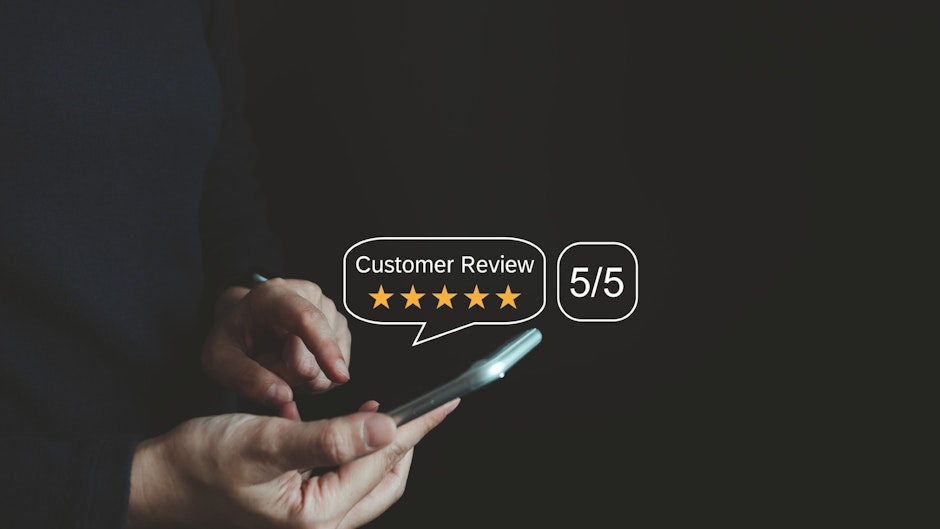
That's social proof, and it's one of the most powerful psychological triggers in marketing. Online, it's everywhere. Review stars, follower counts, "people also bought" sections. We've all bought something primarily because it had 4.8 stars and 2,000 reviews.
But social proof works offline too. Sometimes even better, because it's harder to fake.
Why Social Proof Actually Works
Humans evolved in groups. For most of our history, going against the crowd could literally get you killed. If everyone's running away from something, you run too - you don't stop to analyse whether the threat is real. That instinct hasn't gone anywhere just because we now live in cities and order groceries online.
We use other people's behaviour as a shortcut for decision-making. It's cognitive efficiency. Instead of researching every option exhaustively, we look at what others chose and assume they've done some of that work already.
This gets stronger when we're uncertain. The less confident you are about a decision, the more you'll look to social proof for guidance. Which is why it's so powerful in marketing - people are almost always at least slightly uncertain when choosing between brands.
Types Of Social Proof In Physical Spaces
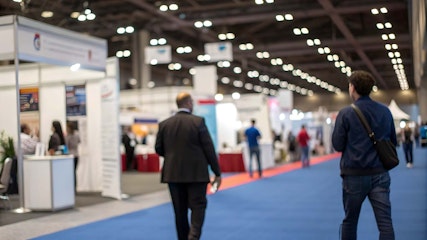
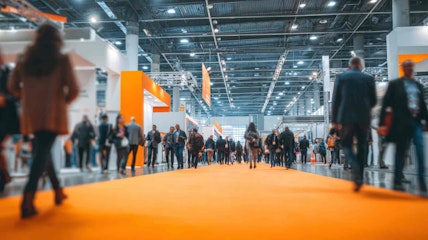
The most obvious one is crowds. A restaurant with a queue outside looks more appealing than an empty one next door, even if the food's identical. Trade show booths that attract clusters of people naturally draw more visitors. Nobody wants to be the first person at a party.
Testimonials and case studies work offline just as well as online. Displaying customer testimonials effectively at exhibitions or in retail spaces gives potential customers permission to trust you. Real names, real photos, specific results - these details matter enormously.
Expert endorsements carry weight. Industry awards displayed prominently. Certifications and accreditations. "As featured in..." logos. These signal that knowledgeable people have vetted and approved what you're doing.
Press coverage counts too, especially in B2B contexts. A framed article from a respected publication or a quote from an industry analyst gives your claims third-party validation.
Even simple things like "Britain's best-selling..." or "trusted by 10,000 businesses" provide social proof. Numbers make the crowd visible even when the crowd isn't physically present.
How To Use Social Proof At Events And Exhibitions
Your exhibition stand should make popularity visible. Don't hide the fact that you're busy or successful.
If you've worked with recognizable brands, show their logos. Not tucked away in a brochure - properly displayed where visitors can see them immediately. The thought process is simple: "If they trust this company, maybe I should too."
Client success stories belong on prominent display. Not lengthy case studies that nobody will read while standing in an aisle, but punchy results. "Increased efficiency by 40%" with a client name attached beats any generic marketing claim you could make.
Live demonstrations where multiple people can watch simultaneously create instant social proof. One person trying your product is interesting. Five people watching while one person tries it, all nodding along? That's powerful. You've created a mini-crowd endorsing your product through their attention.
Getting the right stand for your exhibition graphics matters because your visual presentation needs to include these social proof elements - without looking cluttered or desperate.
Retail Applications
Shop windows that show bestseller tags or "customer favourite" labels guide uncertain shoppers toward proven choices. You're removing decision paralysis by showing them what others chose.
Staff recommendations work as social proof too, particularly when framed as "this is our most popular option" rather than just "I think you'd like this." One is personal opinion, the other is crowd wisdom.
Product displays that highlight items "as featured in..." or "winner of..." awards give shoppers permission to spend money. You're not just saying it's good, you're showing that others have recognized its quality.
Even queue management can leverage social proof. A visible line of people waiting suggests something worth waiting for. An empty shop suggests something people are avoiding.
Making It Authentic


Here's where a lot of businesses stumble. Fake social proof is worse than no social proof.
Using stock photos for testimonials, making up customer quotes, inflating numbers - people can usually tell, and when they can, you've destroyed trust instead of building it. The short-term gain never justifies the long-term reputation damage.
Real social proof has specificity. Actual names (with permission), real numbers, verifiable credentials. Generic praise from anonymous sources reads as fabricated even when it isn't.
It should also be recent. A testimonial from 2015 or an award from a decade ago suggests you've done nothing noteworthy since. Social proof needs to demonstrate current relevance.
When Social Proof Backfires
Showing that you're unpopular is obviously counterproductive. "Be our first customer!" might sound exciting to you, but to potential customers it reads as "nobody else trusted us yet, maybe you shouldn't either."
If your event booth is consistently empty while competitors' are busy, that visible lack of social proof actively pushes people away. Sometimes you need to seed initial interest - get colleagues or friendly contacts to visit during quiet periods to create the appearance of activity.
Overwhelming people with too much social proof can backfire too. Fifty testimonials become noise. Three really strong ones with specific, impressive results work better.
Measuring The Impact
This is trickier offline than online. You can't just check conversion rates in real-time.
But you can test it. Run an exhibition stand with prominent social proof elements one month, minimal social proof the next. Compare visitor engagement and lead quality. Track which specific testimonials or statistics people mention in conversations.
In retail, A/B test signage. "Customer favourite" versus no label. "As seen in The Times" versus generic product description. See what drives more interest and sales.
Ask customers what influenced their decision. Often they'll mention seeing that you work with certain brands or that you won specific awards. That tells you which social proof elements actually matter to your audience.
The Psychology Never Changes
Markets evolve. Technology changes. Platforms come and go. But the fundamental human tendency to look at what others are doing before making decisions? That's hardwired.
Social proof in offline marketing might require more creativity than just displaying review stars, but it's no less effective. In some ways it's more powerful because physical presence makes the proof more tangible.
The restaurant queue, the busy exhibition booth, the wall of client logos, the specific testimonial with a real person's name - these create trust in ways that digital equivalents can't quite match.
We're all still looking to each other for permission to trust something new. Smart marketing makes that instinct work for you rather than against you.
posted in Marketing Advice
Published: | Updated:


Written By:
Peter Symonds
Peter Symonds is Managing Director at Display Wizard, a Preston based display and exhibition stand provider.
He has over 15 years of experience in the large format print and exhibition industry and has helped grow Display Wizard into one of the UK's leading provider of high-quality display solutions.
Share this Event