 Trustpilot - Rated Excellent
 In-house Design & Print
 Express Production Options
 Instant Credit for Businesses
  Newsletter
Businesses that want to build stronger brand visibility often rely on both field marketing and event marketing to connect with their audiences. And while the two strategies share quite a few similarities, each plays a different role in shaping customer engagement.
By understanding how they differ, you’ll be able to choose the right approach for your goals and create campaigns that feel more focused, intentional, and effective. In this guide, we will break down what sets field marketing and event marketing apart, how they complement one another, and when each one works best within a wider marketing strategy.
What Is Field Marketing?
Field marketing focuses on direct, face-to-face interaction with customers in everyday environments. By taking your brand into streets, workplaces, retail spaces, or public areas, you’ll create natural touchpoints with people who may not encounter you otherwise.
The goal is to build personal connections and encourage real-time engagement without depending on scheduled events.
Field marketing activities often include product sampling, demonstrations, promotional giveaways, pop-up stalls, and street-level activations. These tactics work well for brands that want immediate feedback because field teams can observe reactions, adjust messaging, and respond to questions on the spot.
By using this approach, you’ll create opportunities to build trust in locations where your audience already spends time.
What Is Event Marketing?
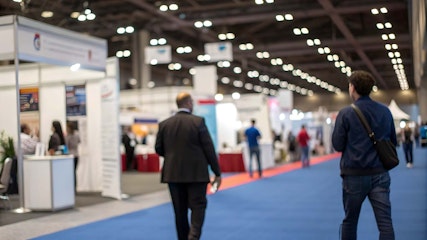
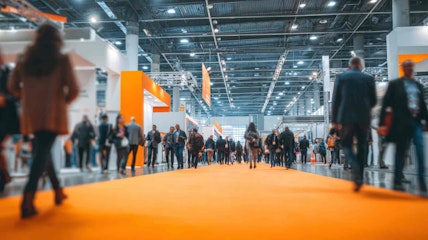
Event marketing is centred around planned gatherings such as trade shows, conferences, expos, and industry showcases. By exhibiting at events, you’ll position your brand within a structured environment where visitors arrive with specific intentions-whether they’re researching suppliers, scouting new products, or expanding their industry knowledge.
Event marketing includes booth design, product demonstrations, workshops, presentations, and experiential setups that help people understand your brand in a more immersive way. Exhibitors often use lighting, signage, interactive screens, and themed displays to create a memorable atmosphere that stands out in busy venues.
This approach is highly effective for businesses looking to generate leads, launch new products, or strengthen their industry presence.
Key Differences Between Field Marketing and Event Marketing
Although both strategies rely on in-person interaction, there are several differences in how they operate and what they achieve.
1. Location and Environment
Field marketing takes place in open, everyday settings, allowing brands to reach audiences where they live, work, and shop. Events, however, concentrate interactions within structured venues that attract specific industry groups or interest-based crowds.
By understanding the typical environment of each strategy, you’ll be able to choose the one that aligns with your audience’s routines and expectations.
2. Audience Intent
People engaging with field marketing are often encountering a brand unexpectedly. This means your team must capture attention quickly and communicate value in simple, compelling ways. Event attendees, however, arrive with a clear intention to explore or learn.
They are actively seeking information, which gives exhibitors more time to deliver detailed explanations or demonstrations.
3. Duration and Setup
Field marketing campaigns can be short pop-up activities or multi-day activations with minimal setup. Event marketing usually requires more preparation because booths need coordinated visuals, lighting, branding, and promotional materials.
If you want to illuminate your stand effectively for an upcoming event, you can find LED displays for events here, which will help you create a visual presence that stands out.
4. Engagement Style
Field marketing is conversational and spontaneous. It encourages quick interactions that feel informal and personal. Event marketing is more structured, providing opportunities for longer conversations, scheduled demos, and guided experiences within the booth.
5. Data Collection



Event environments make data capture easier because attendees expect lead scanning, follow-up forms, and sign-ups. Field marketing relies on more flexible data collection methods because interactions are shorter and more casual.
By recognising these differences, you’ll be able to plan campaigns that match your goals rather than expecting both strategies to deliver identical outcomes.
How Field Marketing Supports Event Marketing
Although field and event marketing function differently, they can work together to strengthen your brand’s overall reach.
By using field marketing ahead of an event, you’ll raise awareness in local areas, build anticipation, and create early touchpoints with potential attendees. This can lead to higher booth traffic once the event begins because people may already recognise your brand from earlier interactions.
During quieter periods at an exhibition, field teams can also engage with nearby outdoor areas to drive additional footfall towards your booth. This integrated approach helps maximise the impact of your presence across multiple environments.
How Event Marketing Supports Field Marketing
Event marketing can reinforce your field efforts by providing highly visual assets that build credibility. When people see you at major industry events, they often view your brand as more established and trustworthy. This perception carries over into later street or retail interactions, making field teams’ work easier and more effective.
Events also supply rich content-photos, videos, demonstrations, and customer testimonials-that can be used by field marketers during future campaigns. By repurposing this material, you’ll deliver consistent messaging in every interaction.
Choosing the Right Strategy for Your Business Goals
The decision between field marketing and event marketing should depend on what you want to achieve.
Field marketing is ideal when you want to:
Reach people in high-footfall public areas
Secure rapid product feedback
Build familiarity with audiences who may not attend industry events
Encourage impulse actions such as trial sign-ups or sample requests
Event marketing works best when you want to:
Generate high-quality leads
Build authority within your sector
Launch or demonstrate new offerings
Create an immersive brand experience
Meet decision-makers who influence purchasing
By aligning your strategy with your objectives, you’ll produce stronger, more measurable outcomes.
Bringing Both Strategies Together
Many businesses find that combining both field and event marketing produces the best results. By integrating the two, you’ll create a cohesive customer journey that includes both spontaneous encounters and curated experiences.
If you want to explore how these strategies fit into a wider promotional plan, you should read our article on balancing online and offline marketing campaigns. This will help ensure your field activities and event presence support one another instead of operating in isolation.
Final Thoughts
Field marketing and event marketing each offer unique advantages, and the most effective choice depends on your audience, goals, and brand positioning. By understanding what distinguishes them and how they complement one another, you’ll be able to build campaigns that feel coordinated, strategic, and impactful.
With the right balance between spontaneous outreach and immersive event experiences, you’ll strengthen your visibility and create a more connected brand presence across every touchpoint.
posted in Marketing Advice
Published: | Updated:


Written By:
Peter Symonds
Peter Symonds is Managing Director at Display Wizard, a Preston based display and exhibition stand provider.
He has over 15 years of experience in the large format print and exhibition industry and has helped grow Display Wizard into one of the UK's leading provider of high-quality display solutions.
Share this Event