 Trustpilot - Rated Excellent
 In-house Design & Print
 Express Production Options
 Instant Credit for Businesses
  Newsletter
Experiential marketing sounds like consultant-speak, doesn't it? The sort of phrase someone uses in a presentation right before showing you a pie chart.
But strip away the jargon and you've got something genuinely interesting: marketing that people actually participate in rather than passively consume.
Instead of telling people about your brand, you let them experience it directly. They touch things, taste things, try things out. They engage with your product or service in a memorable way that creates an emotional connection far stronger than any advert could manage. And yes, it works - sometimes unsettlingly well.
What Counts As Experiential Marketing
The definition's broader than you might think. Pop-up shops where you can interact with products before they launch properly. That counts. Live events where brands create immersive environments - those massive installations at festivals, for instance. Trade show booths that go beyond a banner and a bowl of mints. Product sampling in unexpected locations. Virtual reality experiences that demonstrate your service.
Basically, if your audience is doing something rather than just watching or reading, you're in experiential territory.
Red Bull's been doing this for years with their extreme sports events. They don't just sponsor activities, they create entire experiences that embody their brand values. You associate Red Bull with that adrenaline rush because you've felt it at their events, not because an advert told you to.
IKEA's created rooms in train stations where commuters could relax during delays. Lean Cuisine set up a market stall where women could "weigh" their achievements instead of themselves on scales. These weren't campaigns about the products directly - they were experiences aligned with brand values.
Why It's More Effective Than Traditional Advertising
People trust their own experiences more than they trust your claims. Obviously.
If I tell you our product is innovative and user-friendly, you'll probably forget within an hour. If you actually use it at an event and discover it genuinely is those things, that memory sticks. You've got proof that isn't dependent on taking my word for it.
There's also the social aspect. Experiential marketing often happens in spaces where people are with friends, family, colleagues. They share the experience in real-time, talk about it afterwards, post about it online. One interaction multiplies across their network.
And honestly? Most marketing is boring. People actively avoid it when they can. But give them something fun or useful or surprising to do, and suddenly they're seeking it out rather than blocking it.
The data backs this up, though I'm always slightly sceptical of marketing statistics about marketing effectiveness. Still, the brands investing heavily in experiential aren't idiots. They've seen the conversion rates.
When It Makes Sense For Your Business
Not every brand needs experiential marketing. If you're selling something abstract or purely digital, creating a physical experience around it can feel forced.
But if your product benefits from demonstration, if your service is difficult to explain but easy to understand once experienced, if your brand values are better shown than told - that's when experiential marketing starts making sense.
It's particularly powerful for launches. Getting products into people's hands before they're widely available creates exclusivity and word-of-mouth simultaneously.
Also works well for rebrands or repositioning. You can't just tell people you've changed - they need to experience the difference themselves.
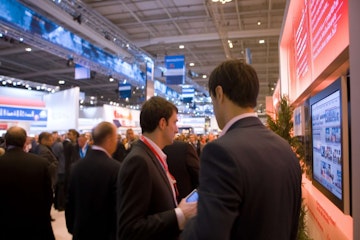
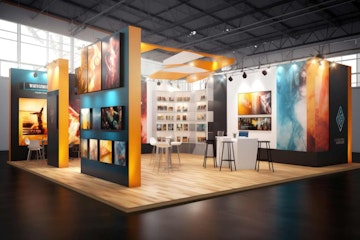
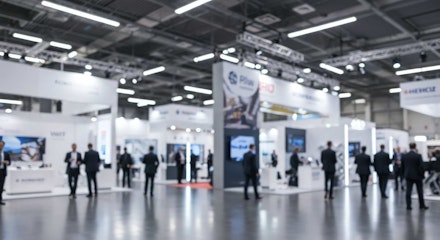
Trade shows and exhibitions are natural fits for experiential approaches. Everyone's there specifically to discover new things. Building stronger event branding becomes easier when you've got something genuinely engaging happening at your stand rather than just leaflets and awkward small talk.
Planning An Experiential Campaign


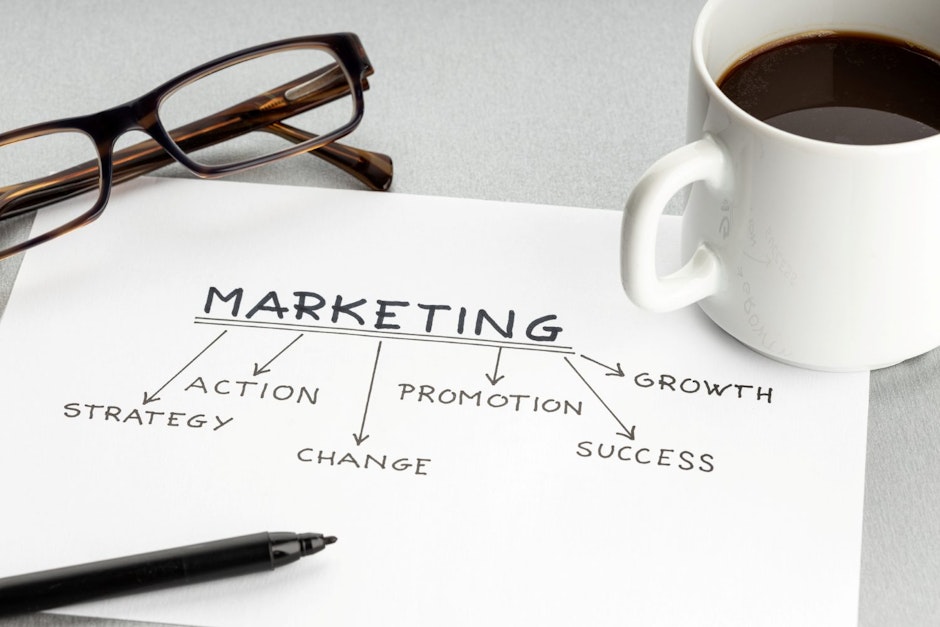
Start with what you want people to feel, not what you want to tell them.
If you're a financial services company, maybe you want people to feel secure and informed rather than overwhelmed. So you create an experience that simplifies something complex in a tangible way. Interactive tools that demonstrate concepts. Workshops that give actionable knowledge.
The experience should connect logically to your brand, but not in an obvious "here's our product, please try it" way. The best experiential marketing feels generous - you're giving people something valuable, and your brand association comes along almost as a side effect.
Budget matters here more than with digital campaigns. Physical experiences cost money to produce, staff, and manage. But they're also harder for competitors to replicate exactly, which gives you some protection for your investment.
Location and timing are crucial. An amazing experience at the wrong place or wrong time reaches nobody. Think about where your audience already is, what they're already doing, and how you can fit into that naturally.
Making It Measurable
This is where experiential marketing gets tricky. How do you quantify an experience?
You can track immediate metrics - how many people participated, how long they engaged, whether they provided contact details, social media mentions during and after the event.
But the real value often appears later. Brand recall weeks afterwards. Purchase behaviour changes. Willingness to recommend. These are harder to tie directly to a specific experiential campaign, though not impossible if you're rigorous about tracking.
Some brands use unique discount codes given only at the experience. Others track attendees through CRM systems to monitor their customer journey. Post-event surveys help, though response rates are typically depressing.
The intangible benefits - brand perception, emotional connection, competitive differentiation - matter enormously but resist neat measurement. You kind of have to be comfortable with that.
Common Mistakes To Avoid
Creating experiences that look impressive but have no connection to what you actually do. I've seen elaborate brand activations where I left thinking "that was fun" but couldn't tell you what company ran it.
Skimping on staff training. Your team at experiential events aren't just facilitators, they're brand ambassadors. If they're bored, unknowledgeable, or pushy, that becomes the experience.
Forgetting about adjustable banner systems for any event and other physical branding elements. The experience might be the star, but people should still know whose experience it is without having to ask.
Making participation too complicated. If people need a tutorial to engage with your experiential marketing, you've failed. It should be intuitive.
Not having a clear next step. They've had the experience, loved it even - now what? If you don't guide them toward a meaningful action, you've created a lovely memory that goes nowhere commercially.
The Future's Probably More Experiential
As digital advertising gets more saturated and people develop better ad-blindness, brands that can create genuine real-world experiences have an advantage.
The pandemic accelerated hybrid approaches too. Virtual experiential marketing isn't an oxymoron anymore - plenty of brands have figured out how to create engaging digital experiences that feel participatory rather than passive.
But there's something about physical presence that's hard to replicate online. The sensory elements, the spontaneity, the social proof of seeing other people engage enthusiastically.
Experiential marketing won't replace other forms entirely. It shouldn't. But as part of an integrated approach, giving people something to do rather than just something to see? That's become pretty much essential for brands that want to cut through the noise.
posted in Marketing Advice
Published: | Updated:


Written By:
Peter Symonds
Peter Symonds is Managing Director at Display Wizard, a Preston based display and exhibition stand provider.
He has over 15 years of experience in the large format print and exhibition industry and has helped grow Display Wizard into one of the UK's leading provider of high-quality display solutions.
Share this Event